Introduction to Serlig
In today’s rapidly evolving digital landscape, new concepts emerge that reshape how individuals and organizations approach challenges. One such term gaining momentum is serlig, an idea that embodies innovation, adaptability, and forward-thinking solutions. While it may sound unfamiliar to many, understanding serlig can unlock new perspectives on how to navigate modern complexities.
What Does Serlig Mean?
At its core, serlig represents a philosophy of transformation and efficiency. It’s not just a buzzword but a comprehensive approach to problem-solving that emphasizes flexibility and seamless integration. Different industries interpret serlig through their unique lenses, but the underlying principle remains consistent: finding innovative ways to bridge gaps and create value.
The Emergence in Digital Discourse
The conversation around serlig has gained traction as professionals seek better frameworks for managing change. Online communities, tech forums, and business networks have begun exploring what serlig means for their specific contexts. This organic growth reflects a genuine need for concepts that address modern challenges without adding unnecessary complexity.
Varying Interpretations Across Industries
What makes serlig particularly interesting is its versatility. In technology circles, it might refer to integration methodologies. Business strategists view serlig as an adaptive framework. Personal development enthusiasts see it as a mindset for continuous improvement. This multi-faceted nature allows serlig to remain relevant across diverse applications.
Growing Relevance in Modern Contexts
As digital transformation accelerates, the principles behind serlig become increasingly important. Organizations struggle with legacy systems, individuals face career uncertainties, and communities seek better collaboration tools. Serlig offers a lens through which these challenges can be addressed with clarity and purpose.
Core Characteristics of Serlig
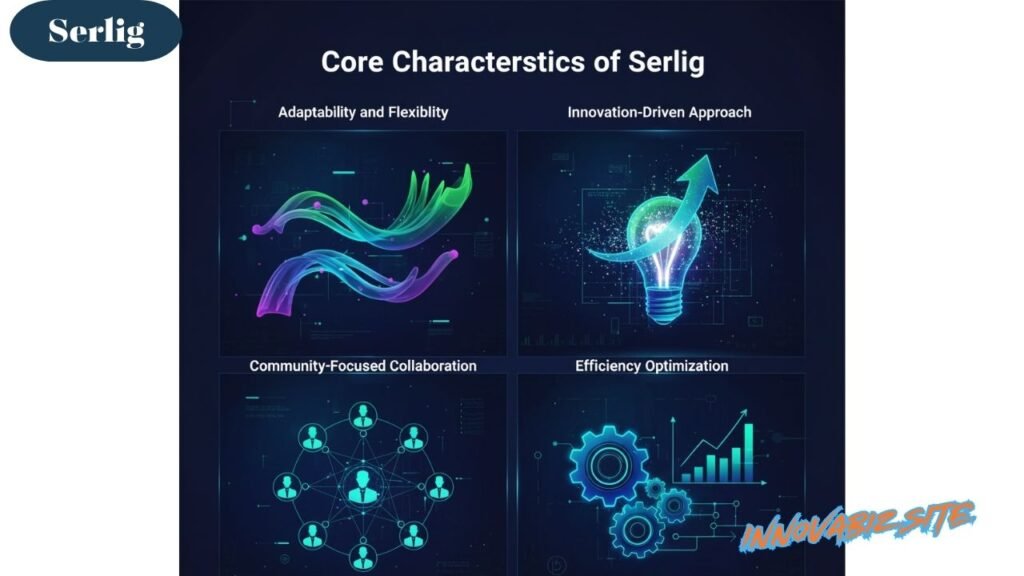
Understanding serlig requires examining the fundamental qualities that define this concept. These characteristics explain why it resonates with people seeking practical solutions.
Adaptability and Flexibility
The foundation of serlig lies in its inherent flexibility. Rather than rigid frameworks that break under pressure, serlig encourages approaches that bend and adjust. This adaptability means solutions inspired by serlig principles can work across different environments, scales, and situations. Whether dealing with a small team project or enterprise-level transformation, the flexible nature of serlig provides consistent value.
Innovation-Driven Approach
Innovation isn’t just about creating something new—it’s about creating something better. Serlig embodies this distinction by focusing on meaningful improvements rather than change for its own sake. The innovation aspect of serlig pushes individuals and organizations to question assumptions, explore alternatives, and implement solutions that genuinely advance their goals.
Community-Focused Collaboration
No concept thrives in isolation, and serlig particularly emphasizes collaborative efforts. The community aspect recognizes that diverse perspectives create stronger solutions. When people work together under serlig principles, they combine their unique strengths while minimizing individual weaknesses. This collaborative spirit makes serlig more than just a methodology—it becomes a shared language for progress.
Efficiency Optimization
In a world where time and resources are precious, efficiency matters tremendously. Serlig places significant emphasis on optimizing processes without sacrificing quality. This means eliminating redundancies, streamlining workflows, and ensuring every action contributes meaningful value. The efficiency focus of serlig helps prevent the common trap of doing more while accomplishing less.
Seamless Integration Capabilities
Perhaps one of the most practical aspects of serlig is its emphasis on integration. Modern life involves juggling multiple systems, platforms, and processes. Serlig-inspired approaches prioritize making these elements work together harmoniously rather than creating additional silos. This integration capability reduces friction and allows smoother operations across connected systems.
Evolution and Development
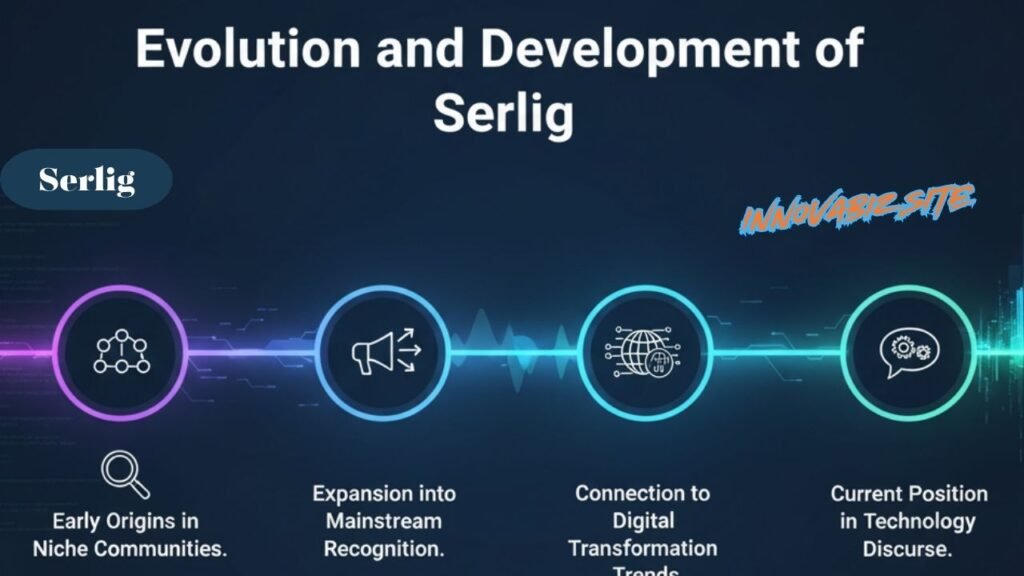
Like many influential concepts, serlig didn’t appear overnight. Its journey from obscurity to growing recognition tells an interesting story about how ideas gain momentum.
Early Origins in Niche Communities
Serlig first emerged within specialized groups focused on specific challenges. These early adopters experimented with approaches that would later be recognized as serlig principles. Small teams working on complex problems discovered that certain methodologies consistently delivered better results. They began sharing these insights, gradually building a foundation for what would become the broader serlig concept.
Expansion into Mainstream Recognition
As success stories accumulated, more people took notice of serlig. What started in niche circles began spreading to adjacent communities. Tech professionals shared experiences at conferences. Business leaders discussed serlig-inspired strategies in boardrooms. Educators explored how these principles might enhance learning environments. This gradual expansion brought serlig closer to mainstream awareness.
Connection to Digital Transformation Trends
The rise of serlig coincides perfectly with broader digital transformation movements. Organizations worldwide recognize they must evolve or risk obsolescence. Serlig provides a framework that addresses digital transformation challenges without requiring complete operational overhauls. This alignment with existing trends has accelerated serlig’s relevance and adoption.
Current Position in Technology Discourse
Today, serlig occupies an interesting position in technology conversations. While not yet universally known, it’s recognized among forward-thinking professionals who value innovative approaches. The current discourse around serlig focuses on practical applications, measurable outcomes, and scalable implementations. This practical focus helps serlig avoid becoming just another abstract concept.
Applications Across Industries
The true value of serlig becomes apparent when examining its practical applications across different sectors. Each industry adapts serlig principles to address specific challenges.
Technology Sector Applications
Technology naturally aligns with serlig principles, making this sector an ideal testing ground for related concepts.
Software Integration: Modern businesses use countless software tools that must communicate effectively. Serlig-inspired integration approaches focus on creating seamless data flows between systems. Rather than forcing square pegs into round holes, these methodologies respect each system’s unique characteristics while building bridges between them. The result is integrated ecosystems where information moves freely and accurately.
Platform Development: Building platforms that serve diverse user needs requires flexibility and foresight. Serlig principles guide platform developers toward creating adaptable architectures. These platforms can evolve alongside user requirements without requiring complete rebuilds. Developers applying serlig thinking create systems that remain relevant longer and adapt more gracefully to changing demands.
Complexity Reduction: Technology has an unfortunate tendency toward unnecessary complexity. Serlig offers antidote by prioritizing simplicity without sacrificing capability. Teams embracing serlig look for ways to achieve goals through elegant solutions rather than complicated workarounds. This complexity reduction makes systems more maintainable, understandable, and reliable.
Business Strategy Applications
Business leaders have found serlig principles particularly valuable for navigating competitive markets.
Market Adaptation: Markets change constantly, and businesses must change with them. Serlig-inspired strategies emphasize building organizational capabilities that enable quick pivots. Rather than betting everything on single approaches, companies using serlig maintain flexibility to adjust as market signals shift. This adaptive capacity provides significant competitive advantages.
Competitive Positioning: Standing out in crowded markets requires more than good products—it requires smart positioning. Serlig helps businesses identify unique value propositions that resonate with target audiences. By focusing on genuine differentiators rather than superficial distinctions, companies can establish stronger market positions that withstand competitive pressures.
Customer Needs Alignment: Successful businesses solve real customer problems. Serlig encourages continuous alignment between offerings and evolving customer needs. This means establishing feedback loops, monitoring satisfaction metrics, and adjusting approaches based on actual user experiences. Organizations applying serlig principles to customer relationships build loyalty through consistent value delivery.
Personal Development Applications
Individuals have discovered that serlig principles apply equally well to personal growth journeys.
Career Advancement: Professional growth requires more than just hard work—it demands strategic thinking. Serlig provides frameworks for identifying opportunities, developing relevant skills, and positioning oneself for advancement. By maintaining flexibility and staying open to unexpected paths, professionals using serlig principles navigate careers more successfully.
Goal-Setting Frameworks: Traditional goal-setting often creates rigid expectations that become demotivating when circumstances change. Serlig-inspired approaches encourage adaptive goals that maintain core intentions while allowing tactical flexibility. This balance between commitment and adaptability helps individuals achieve meaningful progress without unnecessary stress.
Lifestyle Optimization: Creating fulfilling lives involves countless small decisions that compound over time. Serlig principles help individuals evaluate choices through lenses of efficiency, integration, and alignment with values. Rather than pursuing optimization for its own sake, serlig-guided lifestyle design focuses on sustainable improvements that genuinely enhance wellbeing.
Why Serlig Matters Today
Understanding why serlig has gained traction requires examining the specific challenges it addresses in contemporary contexts.
Simplifying Complex Systems
Modern life involves navigating increasingly complex systems. Whether dealing with organizational structures, technology stacks, or personal responsibilities, complexity creates friction and stress. Serlig matters because it offers pathways through complexity rather than around it. By focusing on essential elements and elegant solutions, serlig helps people accomplish goals without drowning in unnecessary complications.
Scalability for Growth
Solutions that work at small scales often fail when scaled up. Serlig emphasizes approaches that remain effective across different scales. This scalability means individuals and organizations can implement serlig-inspired methods knowing they’ll continue working as circumstances evolve. Whether managing a solo project or coordinating enterprise initiatives, serlig principles maintain their utility.
Future-Readiness Preparation
Nobody can predict the future with certainty, but preparation makes adaptation easier. Serlig helps build capabilities that remain valuable regardless of specific future scenarios. By focusing on fundamental principles rather than temporary tactics, serlig prepares adopters for unknown challenges. This future-readiness provides confidence in uncertain times.
Digital Transformation Enabler
Digital transformation remains a priority for organizations worldwide, yet many struggle with implementation. Serlig serves as an enabling framework that makes transformation less daunting. Rather than requiring complete disruption, serlig allows gradual evolution through continuous small improvements. This incremental approach to digital transformation produces better results with less resistance.
Serlig and Innovation
The relationship between serlig and innovation deserves special attention, as this connection drives much of its value.
Relationship to Change Management
Change management traditionally focuses on minimizing disruption during transitions. Serlig reframes this conversation by treating change as constant rather than exceptional. When change becomes the baseline expectation, management approaches shift toward building adaptive capacity. Serlig provides tools for making this mental and operational shift, helping organizations and individuals embrace continuous evolution.
Trend Anticipation Capabilities
While nobody possesses perfect foresight, serlig helps develop better trend anticipation. By maintaining awareness of broader patterns and staying connected to relevant communities, those practicing serlig principles often spot emerging trends earlier. This early awareness creates opportunities to position ahead of curves rather than playing catch-up after trends become obvious.
Value Creation Potential
Innovation ultimately matters only if it creates genuine value. Serlig keeps value creation central by constantly questioning whether activities and initiatives deliver meaningful outcomes. This value focus prevents innovation theater—the appearance of innovation without substance. Organizations applying serlig principles to innovation efforts achieve better returns on their creative investments.
Market Exploration Opportunities
New markets and opportunities constantly emerge, but identifying and capitalizing on them requires specific capabilities. Serlig encourages exploratory mindsets that balance curiosity with practicality. Rather than pursuing every shiny object, serlig-guided exploration maintains strategic coherence while remaining open to unexpected discoveries. This balanced approach helps identify genuine opportunities while avoiding costly distractions.
Challenges and Limitations
No concept is perfect, and serlig faces several challenges that deserve honest acknowledgment.
Limited Awareness and Recognition
Perhaps the biggest challenge facing serlig is simply that most people haven’t encountered it yet. Limited awareness means fewer success stories, less community support, and reduced resources for those wanting to learn more. Building broader recognition requires time, consistent communication, and demonstrated results that speak for themselves.
Implementation Barriers
Even when people understand serlig principles, implementing them isn’t always straightforward.
Cost Considerations: Adopting new approaches often requires investments in training, tools, or consulting services. Organizations must weigh these costs against potential benefits. While serlig often delivers strong returns, initial resource requirements can deter adoption, particularly among smaller entities with limited budgets.
Training Requirements: Understanding serlig conceptually differs from applying it effectively. Teams need proper training to internalize principles and develop practical skills. This learning curve means implementation timelines extend beyond simple awareness building. Organizations must commit to ongoing education rather than expecting instant mastery.
Contextual Misinterpretation
Because serlig manifests differently across contexts, misunderstandings occur frequently. Someone encountering serlig in a technology context might form impressions that don’t transfer to business applications. These misinterpretations can lead to unrealistic expectations or inappropriate implementations. Clear communication about context-specific adaptations helps minimize confusion.
Need for Standardization
As serlig grows, questions about standardization become more pressing. Should there be official definitions, certification programs, or standardized methodologies? While some standardization might help, too much could stifle the adaptive nature that makes serlig valuable. Finding the right balance between consistency and flexibility remains an ongoing challenge.
Future Outlook
Looking ahead, several trends suggest how serlig might evolve and expand.
Expansion into AI and Automation
Artificial intelligence and automation technologies align naturally with serlig principles. As these technologies mature, expect to see serlig frameworks guiding their implementation. Rather than viewing AI as something that happens to organizations, serlig approaches will help integrate these capabilities thoughtfully. The combination of serlig thinking and AI tools could produce particularly powerful results.
Educational Applications
Education systems worldwide seek better approaches to preparing students for uncertain futures. Serlig principles—emphasizing adaptability, continuous learning, and practical problem-solving—match educational reform goals perfectly. Expect growing interest in how serlig concepts might reshape curriculum design, teaching methodologies, and learning assessment.
Business Process Transformation
As businesses continue digitizing operations, process transformation becomes increasingly important. Serlig offers frameworks for conducting these transformations effectively. Rather than simply automating existing processes, serlig encourages reimagining workflows from first principles. This deeper transformation approach produces more significant improvements than surface-level digitization.
Lifestyle Innovation Integration
Personal technology continues evolving rapidly, creating opportunities for lifestyle innovations. Serlig principles can guide how individuals integrate new capabilities into their lives. From smart home systems to productivity apps, serlig thinking helps people adopt innovations that genuinely improve their lives rather than adding complexity without benefit.
Potential Mainstream Adoption
If current trends continue, serlig may achieve mainstream recognition within coming years. As success stories accumulate and resources multiply, adoption barriers will decrease. Mainstream acceptance would accelerate serlig’s development while potentially introducing new challenges around maintaining core principles amid broader popularity.
Practical Implementation
Moving from understanding serlig to applying it requires practical steps that anyone can begin taking.
Information Gathering Strategies
Effective serlig implementation starts with good information. Develop habits of staying informed about developments in relevant domains. This doesn’t mean consuming information indiscriminately but rather curating quality sources that provide genuine insights. Build networks with others interested in similar principles, as conversations often reveal perspectives that solitary study misses.
Flexibility Adoption Methods
Embracing flexibility requires intentional practice. Start by identifying areas where rigid thinking currently limits options. Experiment with loosening constraints and observing results. Build comfort with ambiguity by tackling small challenges where perfect solutions don’t exist. Over time, this flexibility becomes more natural, making serlig principles easier to apply.
Technology Leverage Techniques
Modern technology offers tremendous capabilities, but only when used appropriately. Adopt tools that genuinely solve problems rather than collecting technology for its own sake. Focus on integration between tools so they amplify each other’s value. Regularly evaluate whether technology serves your goals or has become an end unto itself.
Long-Term Mindset Development
Perhaps most importantly, serlig requires cultivating long-term thinking. Short-term optimization often conflicts with sustainable success. Practice evaluating decisions based on extended timeframes rather than immediate gratification. Build patience for approaches that deliver compounding benefits rather than instant results. This mindset shift enables more effective serlig application across all domains.
Conclusion
Serlig represents more than just another framework or methodology—it embodies a comprehensive approach to navigating modern complexity. Through its emphasis on adaptability, innovation, collaboration, efficiency, and integration, serlig provides practical guidance for individuals and organizations seeking better ways forward.
Summary of Key Benefits
The value of serlig manifests across multiple dimensions. It simplifies complex challenges, enables scalable growth, prepares adopters for uncertain futures, and facilitates meaningful transformation. Whether applied to technology development, business strategy, or personal growth, serlig principles consistently deliver improved outcomes through smarter approaches rather than harder work.
Call to Action for Adoption
Understanding serlig is just the beginning—the real value comes from application. Start small by identifying one area where serlig principles might help. Experiment with adaptive approaches, seek collaborative opportunities, and focus on creating genuine value. Share experiences with others, as collective learning accelerates everyone’s progress. The journey of implementing serlig begins with single steps taken consistently over time.
Final Thoughts on Future Potential
The future likely holds expanded roles for concepts like serlig as complexity continues increasing. Those who develop fluency with these principles now will find themselves well-positioned for whatever comes next. While serlig may evolve and mature, its core emphasis on adaptability, innovation, and practical effectiveness will remain relevant. By embracing serlig thinking today, individuals and organizations invest in capabilities that will serve them for years to come.
Also Read: CoolKingZone Com Your Comprehensive Digital Content Destination