Introduction to Natural Beauty
Philosophy of Organic Beauty
The journey to authentic beauty begins with understanding that true radiance comes from within. These comprehensive beauty tips – well health organic.com principles focus on nourishing the body holistically rather than masking imperfections with harsh chemicals. This approach recognizes the deep connection between inner health and outer beauty, emphasizing that what we put into our bodies and onto our skin directly impacts our appearance.
Organic beauty practices offer numerous benefits over conventional methods. They reduce exposure to potentially harmful chemicals, support environmental sustainability, and often prove more cost-effective in the long run. When individuals embrace chemical-free beauty routines, they frequently notice improvements not just in their appearance, but in their overall well-being.
Sustainable and eco-friendly beauty practices represent more than just a trend—they reflect a commitment to personal and planetary health. These methods utilize ingredients that work harmoniously with the skin’s natural processes, supporting rather than disrupting the body’s inherent ability to maintain itself.
Understanding Your Skin Type
Before implementing any beauty tips – well health organic.com recommendations, it’s essential to identify your specific skin type. Normal skin typically feels balanced, neither too oily nor too dry, with minimal imperfections. Dry skin often feels tight and may show flaking or rough patches, particularly after cleansing. Oily skin produces excess sebum, leading to a shiny appearance and potentially enlarged pores.
Combination skin presents characteristics of both oily and dry skin, usually with an oily T-zone (forehead, nose, and chin) and drier cheeks. Sensitive skin reacts easily to products or environmental factors, often showing redness, irritation, or burning sensations.
Determining your skin’s specific needs requires careful observation over several weeks. The skin’s condition can change with seasons, hormonal fluctuations, diet, and stress levels. Understanding these patterns helps create more effective, personalized beauty routines.
Essential Organic Skincare Routine
Daily Cleansing
Morning Routine
Starting the day with proper cleansing sets the foundation for healthy skin, following proven beauty tips – well health organic.com methodologies. Gentle natural cleansers work effectively without stripping the skin’s protective barrier. Honey serves as an excellent cleanser due to its antibacterial properties and ability to maintain moisture. Raw honey can be applied directly to damp skin, massaged gently, and rinsed with warm water.
Oatmeal provides gentle exfoliation while soothing irritated skin. Ground oats mixed with water or milk create a paste that cleanses while nourishing. Green tea offers antioxidant benefits and can be used as a cleansing toner or incorporated into cleansing mixtures.
The oil cleansing method has gained popularity for its effectiveness across different skin types. Contrary to intuition, applying oil to oily skin can actually help regulate sebum production by dissolving excess oils and impurities without over-drying.
Evening Routine
Evening cleansing requires more thorough attention, especially for those who wear makeup or sunscreen. The double cleansing technique involves first removing makeup and surface impurities with an oil-based cleanser, followed by a gentle water-based cleanser to remove any remaining residue.
Natural makeup removal can be achieved using coconut oil, sweet almond oil, or even olive oil. These oils dissolve makeup effectively while nourishing the skin. Following oil cleansing, a gentle cream or gel cleanser ensures complete removal of impurities.
Weekly deep cleansing masks help maintain clear, healthy skin. Clay masks draw out impurities from pores, while honey masks provide antibacterial benefits and hydration.
Natural Moisturizing
Hydration from Within
True skin hydration begins internally, as emphasized in beauty tips – well health organic.com approaches. Adequate water intake supports cellular function and helps maintain skin elasticity and plumpness. The general recommendation of eight glasses daily serves as a starting point, though individual needs vary based on activity level, climate, and body size.
Hydrating foods contribute significantly to skin moisture levels. Water-rich fruits like watermelon, cucumbers, and oranges provide both hydration and essential nutrients. Healthy fats from avocados, nuts, and seeds support the skin’s lipid barrier, helping retain moisture naturally.
External Moisturizers
Plant-based oils offer excellent moisturizing properties without synthetic additives. Jojoba oil closely mimics the skin’s natural sebum, making it suitable for most skin types. Argan oil provides deep hydration along with anti-aging benefits, while rosehip oil contains vitamin C and essential fatty acids that support skin repair.
Creating DIY moisturizer recipes allows customization for specific needs. A simple recipe might combine jojoba oil with a few drops of lavender essential oil for its calming properties, or add vitamin E oil for additional antioxidant protection.
Seasonal moisturizing adjustments become necessary as environmental conditions change. Winter typically requires richer formulations to combat dry air, while summer may call for lighter, more easily absorbed products.
Sun Protection
Natural SPF Options
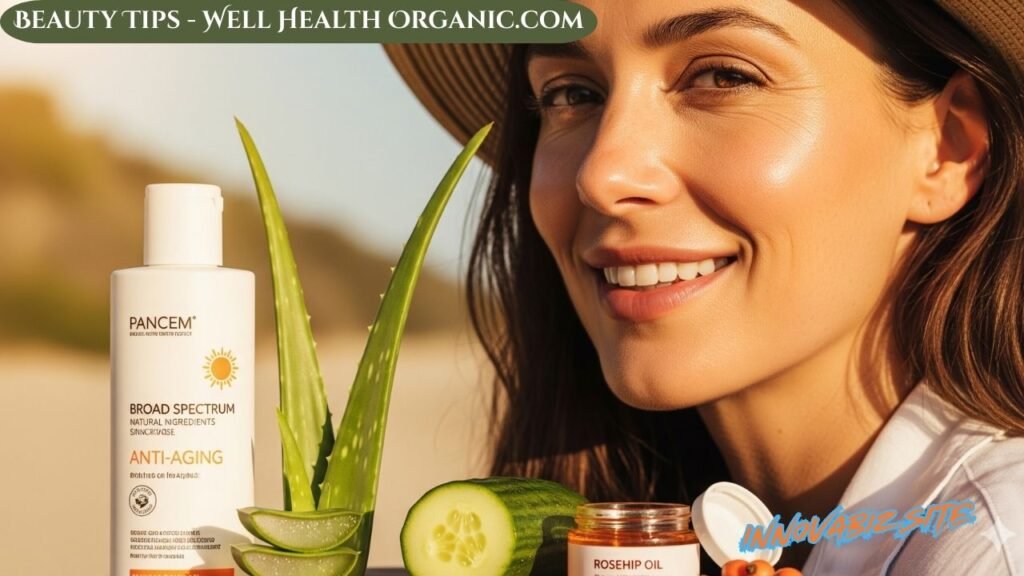
While natural ingredients like zinc oxide and titanium dioxide provide mineral-based sun protection, it’s important to understand that most natural ingredients offer minimal SPF protection. Effective sun protection strategies combine multiple approaches rather than relying solely on natural ingredients.
Mineral-based sunscreens use physical barriers to reflect UV rays rather than chemical absorption. These formulations often feel less irritating on sensitive skin and provide immediate protection upon application.
Protective clothing and accessories play crucial roles in comprehensive sun protection. Wide-brimmed hats, UV-protective clothing, and quality sunglasses significantly reduce sun exposure while allowing outdoor activities.
Certain foods may provide modest internal sun protection benefits. Foods rich in lycopene, such as tomatoes and watermelon, along with antioxidant-rich berries and leafy greens, support the skin’s natural defense mechanisms against UV damage.
Targeted Organic Beauty Solutions
Anti-Aging Naturally
Prevention Strategies
The most effective anti-aging approach focuses on prevention rather than treatment, following beauty tips – well health organic.com philosophy. Antioxidant-rich skincare ingredients help neutralize free radicals that contribute to premature aging. Vitamin C, vitamin E, and various plant extracts provide potent antioxidant protection when applied topically.
Facial massage techniques stimulate circulation and may help maintain skin firmness. Gentle upward strokes using fingertips or tools like gua sha stones can become part of daily routines. These techniques also promote relaxation, which supports overall skin health.
Sleep and stress management significantly impact aging processes. During sleep, the body repairs and regenerates cells, including skin cells. Chronic stress accelerates aging through increased cortisol production, which breaks down collagen and elastin.
Natural Anti-Aging Ingredients
Vitamin C sources like rosehip and sea buckthorn offer potent anti-aging benefits. These ingredients stimulate collagen production and help fade dark spots while providing antioxidant protection. Fresh application is often most effective, as vitamin C can be unstable in prepared formulations.
Retinol alternatives such as bakuchiol and carrot seed oil provide similar benefits without the potential irritation associated with synthetic retinoids. These plant-based options support cell turnover and collagen production more gently.
Collagen-boosting foods and supplements support skin structure from within. Bone broth, leafy greens, and vitamin C-rich fruits provide building blocks for collagen synthesis. Some individuals find collagen supplements beneficial, though whole food sources often prove most effective.
Acne and Blemish Control
Natural Acne Treatments
Tea tree oil applications have demonstrated effectiveness against acne-causing bacteria, making them valuable additions to beauty tips – well health organic.com natural treatment protocols. However, this essential oil requires dilution to prevent irritation. A 5-10% solution mixed with a carrier oil like jojoba provides antimicrobial benefits without over-drying the skin.
Clay masks and spot treatments help absorb excess oil and draw impurities from pores. Bentonite and kaolin clays are particularly effective for acne-prone skin. These can be mixed with water, apple cider vinegar, or honey for additional benefits.
Hormonal acne often requires addressing underlying imbalances through diet and lifestyle changes. Reducing dairy intake and incorporating anti-inflammatory foods may help some individuals manage hormonal acne naturally.
Prevention Methods
Non-comedogenic natural ingredients help prevent pore blockages that lead to acne. Ingredients like jojoba oil, hemp seed oil, and certain plant extracts don’t clog pores while providing necessary moisture.
Stress reduction techniques play important roles in acne prevention. High stress levels can trigger hormonal fluctuations that worsen acne. Regular meditation, exercise, and adequate sleep help maintain hormonal balance.
The gut health and skin connection has gained increased attention in recent years. A healthy gut microbiome supports overall immune function and may reduce inflammatory skin conditions. Probiotic foods and reducing inflammatory foods often benefit both digestive and skin health.
Dark Circles and Puffiness
Natural Eye Care
Cucumber and green tea compresses provide cooling relief for puffy eyes while delivering antioxidants to delicate eye area skin. Chilled cucumber slices or cooled green tea bags applied for 10-15 minutes can reduce puffiness and refresh tired eyes.
Lymphatic drainage massage around the eye area helps reduce fluid buildup that contributes to puffiness. Gentle tapping motions with fingertips, starting from inner corners and moving outward, can stimulate lymphatic flow.
Sleep hygiene significantly impacts eye area appearance. Elevating the head slightly during sleep and ensuring adequate sleep duration help prevent fluid accumulation that leads to morning puffiness.
Nutritional Support
Iron-rich foods may help address dark circles caused by iron deficiency anemia. Leafy greens, lean meats, and legumes provide bioavailable iron that supports healthy circulation and may reduce the appearance of dark circles.
Anti-inflammatory ingredients, both topical and dietary, help reduce puffiness and discoloration. Turmeric, ginger, and omega-3 rich foods provide systemic anti-inflammatory benefits that may improve eye area appearance.
Hair Care with Natural Ingredients
Scalp Health
Natural Scalp Treatments
Essential oil blends address various scalp concerns naturally, incorporating beauty tips – well health organic.com natural healing principles. Rosemary oil stimulates circulation and may promote hair growth, while tea tree oil provides antimicrobial benefits for scalp issues. These oils require dilution in carrier oils like coconut or jojoba oil before application.
Exfoliating scalp scrubs remove buildup and dead skin cells that can impede healthy hair growth. Brown sugar mixed with coconut oil creates an effective yet gentle scrub that can be used weekly.
pH balance plays a crucial role in scalp health. Natural shampoo alternatives like baking soda (alkaline) followed by apple cider vinegar (acidic) can help restore optimal pH levels, though this method requires careful attention to avoid over-processing.
Common Scalp Issues
Dandruff remedies using apple cider vinegar and tea tree oil address both fungal overgrowth and inflammation that contribute to flaking. A diluted apple cider vinegar rinse can help restore scalp pH while providing antimicrobial benefits.
Dry scalp solutions focus on gentle moisturizing without over-oiling. Light oils like argan or sweet almond oil can be massaged into the scalp and left overnight before gentle shampooing.
Oily scalp management involves balancing cleansing without over-stimulating oil production. Clay masks applied to the scalp can absorb excess oil, while avoiding harsh detergents prevents rebound oil production.
Hair Growth and Strength
Nourishing Hair Masks
Protein treatments using eggs and yogurt provide building blocks for strong hair structure. Egg whites offer protein while yolks provide moisturizing fats. Greek yogurt contains lactic acid that gently removes buildup while conditioning.
Moisturizing masks featuring avocado and coconut oil deeply condition dry, damaged hair. These ingredients penetrate the hair shaft to repair and strengthen from within.
Growth-stimulating ingredients like rosemary and peppermint essential oils increase circulation to hair follicles. These can be added to carrier oil treatments or DIY hair masks for enhanced benefits.
Nutritional Hair Health
Biotin-rich foods support healthy hair growth from within. Eggs, nuts, and sweet potatoes provide this B-vitamin essential for keratin production.
Protein requirements for hair health often exceed general dietary recommendations since hair is primarily composed of protein. Adequate intake of complete proteins ensures sufficient amino acids for hair structure.
Hydration importance extends to hair health, as dehydrated hair appears dull and becomes more prone to breakage. Internal hydration through water intake and external hydration through conditioning treatments both contribute to hair vitality.
Natural Hair Styling
Chemical-Free Styling
Heat-free styling methods preserve hair integrity while creating desired looks. Braiding damp hair, using foam rollers, or pin curls can create waves and curls without damaging heat.
Natural texturizing techniques utilize ingredients like sea salt sprays (made with real sea salt and water) or sugar water mixtures to enhance natural texture and provide light hold.
DIY hair serums and gels can be created using flaxseed gel, aloe vera, or chia seed gel. These provide hold and shine without synthetic polymers or alcohols that can dry hair.
Holistic Beauty from Within
Nutrition for Beauty
Beauty-Boosting Foods
Antioxidant-rich fruits and vegetables protect against free radical damage that accelerates aging, forming the foundation of beauty tips – well health organic.com nutritional approach. Berries, leafy greens, and colorful vegetables provide various antioxidants that support skin health from multiple angles.
Healthy fats play essential roles in skin and hair health. Omega-3 fatty acids from fish, flax seeds, and walnuts support the skin’s lipid barrier and reduce inflammation throughout the body.
Hydrating foods contribute to overall hydration status. Water-rich foods like cucumber, watermelon, and citrus fruits provide hydration along with vitamins and minerals essential for beauty.
Supplements for Beauty
Omega-3 fatty acids, when obtained through supplementation, can help individuals who don’t consume adequate amounts through diet. These support skin barrier function and may reduce inflammatory skin conditions.
Vitamin D plays important roles in skin health and immune function. While sunlight provides the most natural source, supplementation may be necessary for those with limited sun exposure.
Probiotics support gut health, which increasingly appears connected to skin health. A balanced gut microbiome may help reduce inflammatory skin conditions and support overall wellness.
Lifestyle Factors
Sleep and Beauty
Sleep’s impact on skin regeneration cannot be overstated in beauty tips – well health organic.com holistic wellness approach. During deep sleep, growth hormone peaks, promoting cellular repair and regeneration. This natural process helps maintain youthful appearance and repair daily damage.
Creating an optimal sleep environment supports quality rest. Cool temperatures, darkness, and comfortable bedding contribute to restorative sleep that benefits overall appearance.
Beauty sleep routine tips include sleeping on silk or satin pillowcases to reduce friction on hair and skin, and using a humidifier to maintain optimal moisture levels in the sleeping environment.
Stress Management
Stress effects on skin and hair are well-documented. Chronic stress increases cortisol levels, which can worsen acne, accelerate aging, and contribute to hair loss.
Meditation and mindfulness practices help manage stress levels naturally. Regular practice can improve sleep quality, reduce inflammation, and support overall well-being that reflects in appearance.
Exercise benefits for beauty extend beyond cardiovascular health. Physical activity increases circulation, promotes lymphatic drainage, and supports the body’s natural detoxification processes.
Hydration and Detox
Internal Cleansing
Detoxifying teas and waters support the body’s natural cleansing processes. Green tea, dandelion tea, and lemon water provide antioxidants and support liver function, which impacts skin clarity.
Liver health and skin clarity are closely connected. The liver processes toxins and hormones that, when not functioning optimally, can manifest as skin issues. Supporting liver health through diet and lifestyle benefits overall appearance.
Seasonal detox practices can help reset the body’s systems. Gentle approaches like increasing vegetable intake, reducing processed foods, and staying well-hydrated support natural detoxification without extreme measures.
Proper Hydration
Daily water requirements vary by individual, but adequate hydration supports every aspect of health and beauty. Clear, plump skin depends on proper cellular hydration.
Hydrating beverages beyond water include herbal teas, coconut water, and fresh vegetable juices. These provide hydration along with additional nutrients that support beauty from within.
Signs of dehydration in skin include dullness, fine lines appearing more pronounced, and slower healing of minor blemishes or irritations.
DIY Beauty Recipes and Treatments
Face Masks and Treatments
Weekly Treatment Masks
Brightening masks using turmeric and lemon can help even skin tone naturally, following beauty tips – well health organic.com DIY protocols. Turmeric provides anti-inflammatory benefits while lemon offers gentle exfoliation and vitamin C. However, patch testing is essential as these ingredients can cause sensitivity in some individuals.
Hydrating masks featuring honey and oatmeal provide deep moisture while gently exfoliating dead skin cells. This combination suits most skin types and can be used weekly for maintaining soft, smooth skin.
Purifying masks made with clay and activated charcoal draw impurities from pores while absorbing excess oil. These are particularly beneficial for oily or acne-prone skin but should be used sparingly to avoid over-drying.
Exfoliation Methods
Gentle scrub recipes using natural ingredients like sugar, salt, or ground nuts provide physical exfoliation without harsh synthetic particles. These should be used with light pressure to avoid micro-tears in the skin.
Chemical exfoliation with natural AHAs from sources like lactic acid (from yogurt) or glycolic acid (from sugar cane) can be gentler than physical scrubs while providing effective exfoliation.
Frequency guidelines for exfoliation depend on skin type and method used. Generally, physical exfoliation should occur 1-2 times weekly, while chemical exfoliation may be tolerated 2-3 times weekly for most skin types.
Body Care Recipes
Natural Body Scrubs
Sugar and salt scrub variations provide different levels of exfoliation. Sugar dissolves more readily and provides gentler exfoliation, while salt offers more intense exfoliation and mineral benefits.
Coffee ground cellulite scrubs may temporarily improve skin texture through exfoliation and caffeine’s circulation-stimulating properties. While not a permanent solution, these scrubs can improve skin smoothness temporarily.
Seasonal ingredient combinations allow customization of body scrubs. Summer might feature citrus oils for energizing properties, while winter formulations might include warming spices like cinnamon or ginger.
Body Moisturizers
Whipped body butter recipes create luxurious, deeply moisturizing treatments. Shea butter, cocoa butter, and coconut oil can be whipped together with essential oils for custom scented body treatments.
Massage oil blends serve dual purposes of moisturizing and providing therapeutic benefits through aromatherapy. Different essential oil combinations can promote relaxation, energization, or other desired effects.
After-sun care treatments using aloe vera, coconut oil, and cooling essential oils like peppermint can soothe sun-exposed skin while providing needed moisture.
Hair Care Recipes
Deep Conditioning Treatments
Weekly intensive masks provide deep nourishment for damaged or dry hair. Combinations of natural oils, proteins, and humectants can be customized for specific hair needs.
Leave-in conditioner recipes using lighter oils and humectants like aloe vera or glycerin provide ongoing moisture without weighing hair down.
Scalp treatment formulations address specific scalp concerns through targeted ingredient combinations. Anti-inflammatory ingredients for sensitive scalps or circulation-stimulating ingredients for hair growth support.
Seasonal Beauty Adjustments
Spring Beauty Prep
Skin renewal after winter often requires gentler approaches as the skin adjusts to changing weather conditions, aligning with beauty tips – well health organic.com seasonal care philosophy. Gradually introducing active ingredients helps avoid irritation while addressing winter damage.
Allergy-proofing beauty routines becomes important as pollen levels increase. Those with seasonal allergies may need to adjust their routines to account for increased sensitivity during allergy season.
Transitional skincare needs require flexibility as weather patterns shift. Having both lighter and richer formulations available allows for day-to-day adjustments based on conditions.
Summer Beauty Care
Enhanced sun protection becomes crucial during summer months. This includes both topical protection and lifestyle adjustments like seeking shade during peak sun hours.
Sweat-proof natural makeup focuses on minimal, breathable formulations that won’t clog pores or run in heat and humidity.
Cooling treatments for hot weather include refrigerated face masks, cooling mists, and after-sun care routines that soothe and hydrate heat-stressed skin.
Fall and Winter Protection
Combating dry air effects requires adjusting both skincare and haircare routines. Humidifiers, richer moisturizers, and protective styling become more important during dry winter months.
Richer moisturizing routines help maintain skin barrier function when faced with harsh weather conditions and indoor heating.
Preventing seasonal skin issues involves proactive care rather than reactive treatment. Anticipating seasonal changes and adjusting routines accordingly helps maintain healthy skin year-round.
Natural Makeup and Enhancement
Clean Beauty Products
Choosing non-toxic makeup involves understanding ingredient labels and avoiding potentially harmful chemicals, following beauty tips – well health organic.com clean beauty principles. This includes avoiding parabens, sulfates, synthetic fragrances, and certain preservatives.
Reading ingredient labels becomes an essential skill for those choosing clean beauty products. Understanding INCI names and knowing which ingredients to avoid helps make informed choices.
DIY makeup options allow complete control over ingredients while often proving more cost-effective than commercial clean beauty products.
Enhancing Natural Features
Minimal makeup techniques focus on enhancing rather than covering natural features. This approach often proves more flattering and requires less maintenance throughout the day.
Natural color enhancement works with individual coloring rather than following generic trends. Understanding undertones and choosing complementary colors creates more harmonious looks.
Skincare as makeup base emphasizes the importance of healthy skin as the foundation for any makeup look. Well-cared-for skin requires less coverage and looks better with minimal makeup.
Common Mistakes and Troubleshooting
Ingredient Interactions
Understanding what not to mix prevents adverse reactions and ensures ingredient effectiveness. Some combinations can neutralize benefits or cause irritation.
Patch testing importance cannot be overstated, especially when trying new natural ingredients. Natural doesn’t always mean gentle, and individual sensitivities vary widely.
Gradual introduction methods help identify potential sensitivities while allowing the skin to adjust to new ingredients slowly.
Over-Treatment Issues
Signs of product overuse include increased sensitivity, persistent redness, or worsening of the issues being treated. Sometimes less is more when it comes to skincare.
Skin barrier repair focuses on supporting the skin’s natural protective function through gentle care and appropriate moisturizing.
Simplifying routines often improves results when over-treatment has occurred. Returning to basic cleansing and moisturizing allows the skin to recover its natural balance.
Building Your Organic Beauty Toolkit
Essential Ingredients to Keep
Multi-purpose natural ingredients provide versatility while keeping costs and storage requirements reasonable. Items like coconut oil, honey, and oatmeal can serve multiple beauty functions.
Storage and shelf life considerations are important for natural beauty ingredients. Proper storage extends usability while maintaining ingredient effectiveness.
Budget-friendly options make natural beauty accessible to everyone. Many effective natural beauty ingredients are common household items or affordable additions to regular shopping.
Tools and Equipment
Natural beauty tools like konjac sponges, natural bristle brushes, and glass containers support natural beauty routines while avoiding synthetic materials.
Cleaning and maintenance of beauty tools prevents bacterial growth and extends tool life. Regular cleaning is especially important for tools used around the eyes or on acne-prone skin.
DIY equipment needs are generally minimal for most natural beauty preparations. Basic kitchen equipment often suffices for creating homemade beauty treatments.
Conclusion and Maintenance
Creating Sustainable Routines
Long-term beauty planning focuses on consistency and gradual improvement rather than dramatic short-term results, embodying the sustainable approach of beauty tips – well health organic.com methodology. Sustainable routines are more likely to produce lasting benefits.
Adapting to life changes keeps beauty routines practical and maintainable through different life phases. What works during one period may need adjustment as circumstances change.
Consistency over perfection emphasizes that regular basic care often produces better results than sporadic intensive treatments.
Monitoring Progress
Tracking skin improvements helps identify which treatments and ingredients work best for individual needs. This can be done through photos, journaling, or simple observations.
Adjusting routines as needed keeps beauty regimens effective as skin changes with age, seasons, and life circumstances.
Knowing when to seek professional help ensures that serious skin concerns receive appropriate treatment rather than relying solely on home remedies.