
Introduction to Remote Work
The employment landscape has undergone a dramatic transformation in recent years. Remote jobs have evolved from a niche benefit offered by forward-thinking companies to a mainstream employment option that millions of professionals now embrace. This shift represents more than just a temporary trend—it’s a fundamental change in how people approach their careers and work-life balance.
Remote work, also known as telecommuting, allows employees to perform their job duties from locations outside the traditional office environment. This arrangement has grown exponentially, with the global remote work market experiencing unprecedented expansion. Industry analysts project continued growth as both employers and employees recognize the mutual benefits of flexible work arrangements.
The COVID-19 pandemic served as a catalyst, accelerating remote work adoption across industries that previously considered it impossible. Companies quickly adapted their operations, discovering that productivity often increased when employees worked from home. This period proved that many roles could be performed effectively without the constraints of a physical office space.
Types of Remote Work Arrangements
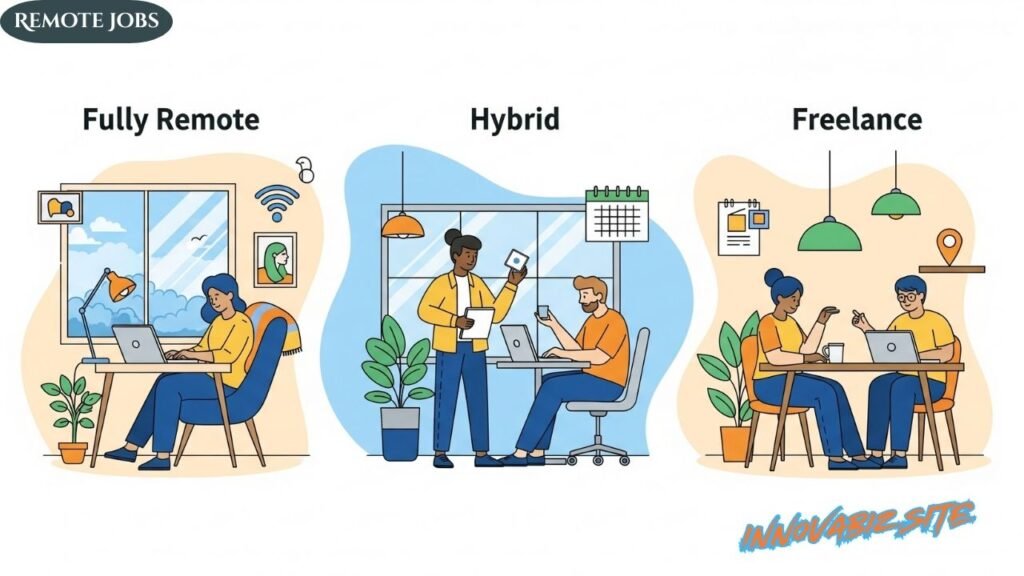
Fully Remote Positions
The most comprehensive form of flexible employment involves positions that operate entirely outside traditional office settings. These 100% work-from-home roles offer employees complete location independence, allowing them to structure their work environment according to their preferences and needs.
Digital nomad opportunities represent an exciting subset of fully remote positions. These roles enable professionals to travel while maintaining their career momentum, working from different cities or countries while exploring new cultures and experiences.
Hybrid Models
Many organizations have embraced flexible schedules that combine office and remote work. This approach allows employees to benefit from both collaborative in-person interactions and the focused productivity that comes with working from home.
Hot-desking and co-working arrangements provide additional flexibility, enabling employees to choose their work environment based on their daily tasks and personal preferences.
Contract and Freelance Remote Work
The gig economy has embraced remote work arrangements extensively. Project-based assignments offer professionals the opportunity to work with multiple clients while maintaining location independence. These arrangements often provide higher hourly rates and greater schedule flexibility compared to traditional employment.
Industries and Roles Best Suited for Remote Work
Technology Sector
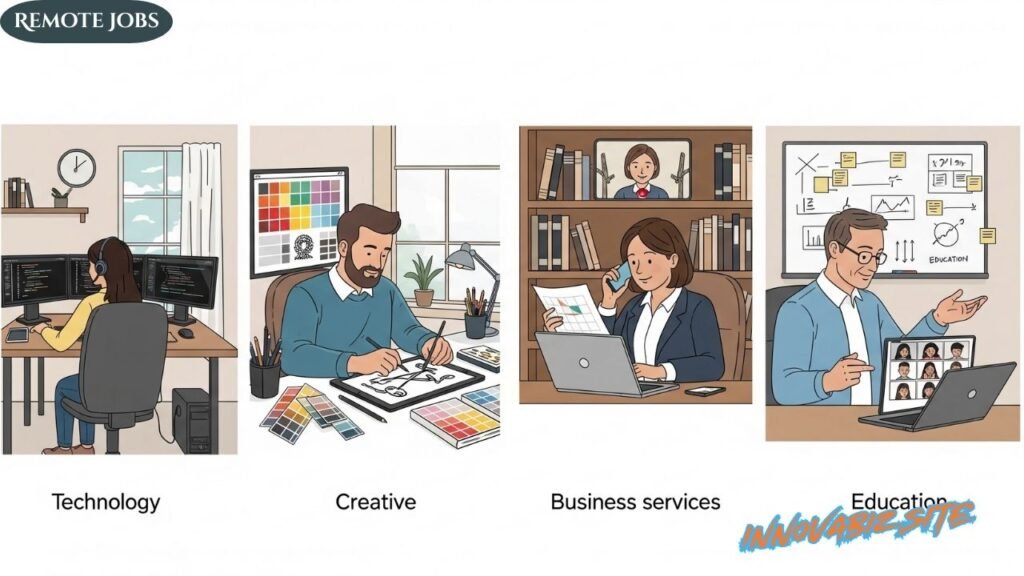
The technology industry leads the way in offering remote jobs opportunities. Software development, IT support, and cybersecurity roles naturally lend themselves to remote work arrangements. Data analysis and digital marketing positions also thrive in remote environments, as these roles primarily require digital tools and online collaboration.
Creative Industries
Creative professionals have found remote work particularly appealing. Content creation, graphic design, and writing roles can be performed from virtually anywhere with a reliable internet connection. Video production and social media management positions offer similar flexibility, allowing creative professionals to work with clients across different time zones and geographical locations.
Business Services
Virtual assistance has emerged as a popular category of remote jobs uk professionals particularly value. These roles encompass everything from administrative support to specialized project management. Accounting, consulting, and customer service positions also translate well to remote arrangements, providing businesses with cost-effective solutions while offering professionals flexible career options.
Education and Training
Online tutoring and course creation have experienced tremendous growth in the remote work sector. Corporate training and development roles allow education professionals to reach wider audiences while maintaining work-life balance.
Benefits of Remote Jobs
For Employees
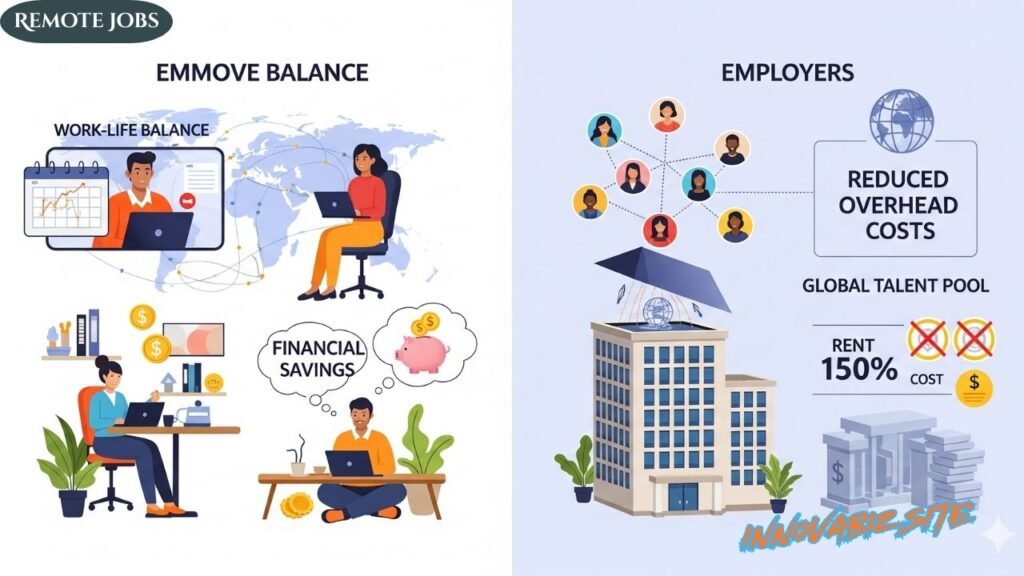
Remote work arrangements offer numerous advantages that extend far beyond simple convenience. Work-life balance improves significantly when employees eliminate commuting time and gain greater control over their daily schedules. The financial benefits include reduced transportation costs, professional wardrobe expenses, and meal costs.
Access to global job opportunities expands dramatically when location becomes irrelevant. Professionals can apply for positions with companies anywhere in the world, significantly increasing their career prospects and potential compensation.
Increased productivity often results from the elimination of office distractions and the ability to create personalized work environments. Many remote workers report higher job satisfaction and improved focus when working from their chosen locations.
For Employers
Organizations benefit from access to a wider talent pool when they offer remote jobs. This expanded reach allows companies to hire the best candidates regardless of their geographical location, leading to stronger teams and better business outcomes.
Reduced overhead costs represent significant savings for employers. Office space, utilities, and equipment expenses decrease substantially when employees work remotely. These savings can be reinvested in employee development, technology improvements, or company growth initiatives.
Higher employee retention rates often accompany remote work policies. Employees who enjoy flexible work arrangements typically demonstrate greater loyalty to their employers and are less likely to seek opportunities elsewhere.
Challenges and Drawbacks
Despite the numerous benefits, remote work arrangements present certain challenges that both employees and employers must address. Communication and collaboration difficulties can arise when team members work across different time zones or lack face-to-face interaction opportunities.
Social isolation and loneliness affect some remote workers, particularly those who thrive on interpersonal connections and collaborative environments. Building and maintaining professional relationships requires more intentional effort in remote settings.
Work-life boundary issues can develop when the home becomes the office. Some professionals struggle to disconnect from work responsibilities, leading to longer hours and potential burnout.
Technology and infrastructure requirements represent additional considerations. Reliable internet connections, appropriate equipment, and secure data handling become essential elements of successful remote work arrangements.
Management and performance monitoring challenges require organizations to develop new approaches to leadership and accountability. Traditional oversight methods may not translate effectively to remote environments.
How to Find Remote Jobs
Popular Job Boards and Platforms
Several specialized platforms focus exclusively on remote opportunities. FlexJobs, Remote.co, and We Work Remotely have established themselves as premier destinations for job seekers interested in flexible work arrangements. These sites curate opportunities from reputable companies and provide additional resources for remote work success.
Traditional job boards have also adapted to include remote job filters, making it easier for candidates to identify relevant opportunities within broader employment platforms.
Networking Strategies
LinkedIn optimization for remote work involves highlighting relevant skills and experience while clearly indicating interest in flexible arrangements. Professional associations and online communities provide valuable networking opportunities and industry insights.
Building relationships within remote work communities can lead to referrals and insider knowledge about upcoming opportunities.
Direct Company Outreach
Researching remote-friendly companies allows job seekers to identify potential employers who embrace flexible work arrangements. Cold pitching and portfolio presentation can be effective strategies, particularly for freelance and contract opportunities.
Many companies appreciate proactive candidates who demonstrate initiative and genuine interest in their organization’s mission and values.
Essential Skills for Remote Work Success
Technical Skills
Proficiency with digital communication tools has become essential for remote work success. Video conferencing platforms, project management software, and collaboration tools form the foundation of effective remote work arrangements.
Time management and self-discipline distinguish successful remote workers from those who struggle with flexible arrangements. The ability to maintain productivity without direct supervision requires strong organizational skills and personal accountability.
Basic troubleshooting abilities help remote workers resolve technical issues independently, minimizing disruptions to their productivity and reducing dependence on IT support.
Soft Skills
Strong written communication becomes even more critical in remote environments where much of the interaction occurs through digital channels. Clear, concise communication helps prevent misunderstandings and maintains project momentum.
Independence and self-motivation enable remote workers to thrive without constant guidance or oversight. The ability to identify priorities and manage workload effectively contributes significantly to remote work success.
Adaptability and problem-solving skills help remote workers navigate the unique challenges of flexible work arrangements and find creative solutions to obstacles.
Setting Up for Remote Work Success
Creating an effective home office setup requires careful consideration of ergonomics, lighting, and noise control. Investing in quality equipment and furniture contributes to both productivity and long-term health.
Technology requirements extend beyond basic computer equipment to include reliable internet connectivity, backup power solutions, and security measures to protect sensitive information.
Productivity tools and software can significantly enhance remote work effectiveness. Task management applications, time-tracking tools, and communication platforms help maintain organization and accountability.
Establishing routines and boundaries helps remote workers maintain work-life balance while maximizing productivity during designated work hours.
Legal and Tax Considerations
Employment laws for remote workers continue to evolve as governments adapt to changing work arrangements. Understanding rights and responsibilities helps both employees and employers navigate this evolving landscape.
Tax implications of working from different locations can be complex, particularly for professionals who work across state or national boundaries. Professional advice may be necessary to ensure compliance with relevant regulations.
International remote work regulations vary significantly between countries, affecting everything from visa requirements to tax obligations for digital nomads and remote workers.
Contractor versus employee classifications carry important implications for taxes, benefits, and legal protections. Understanding these distinctions helps professionals make informed decisions about their work arrangements.
Future of Remote Work
Emerging trends and technologies continue to shape the remote work landscape. Virtual reality meetings, advanced collaboration tools, and artificial intelligence applications promise to enhance remote work experiences further.
The long-term impact on commercial real estate reflects the fundamental shift toward flexible work arrangements. Many organizations are reconsidering their office space needs and exploring hybrid models that require less physical infrastructure.
Company cultures and management practices continue evolving to accommodate remote and hybrid work arrangements. Organizations that successfully adapt to these changes will likely enjoy competitive advantages in attracting and retaining talent.
Predictions for remote work adoption rates suggest continued growth across industries and geographical regions. This trend represents a permanent shift in employment practices rather than a temporary response to external circumstances.
The evolution of remote jobs reflects broader changes in technology, employee expectations, and organizational priorities. Professionals who develop remote work skills and embrace flexible arrangements position themselves for success in this evolving employment landscape.
For those seeking part time remote jobs, the opportunities continue expanding as organizations recognize the value of flexible talent arrangements. Whether pursuing full-time positions or supplemental income opportunities, remote work offers unprecedented flexibility and career possibilities.